
Injection
Prescription required

Tirzepatide
$195
$78per month

Prescribing · Manufacturing · Delivery
Your doctor sets your dose. We manufacture your medication, validate it in the lab, and deliver it directly to you. Personalized peptides and GLP-1s, with care that starts online.
Explore your options. Find your fit with a doctor.
$195
$78per month

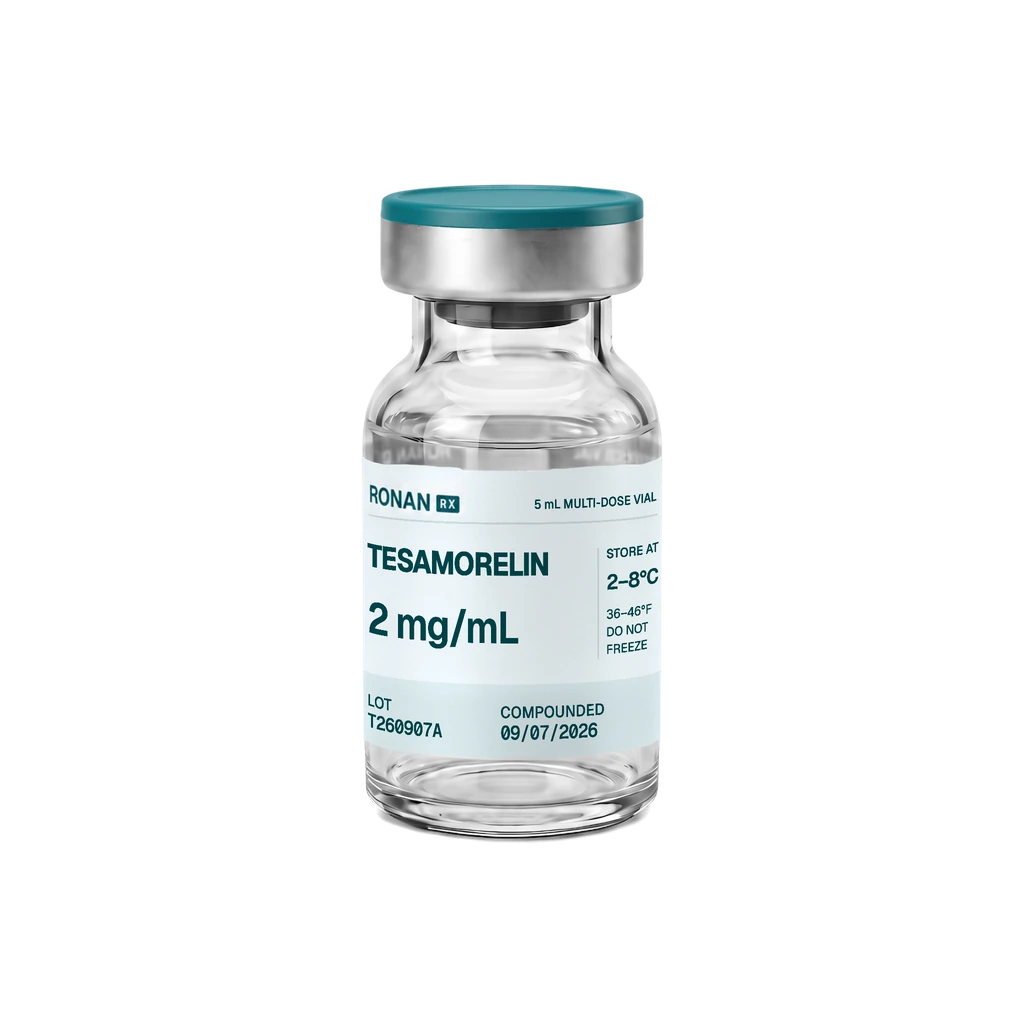
$179per month
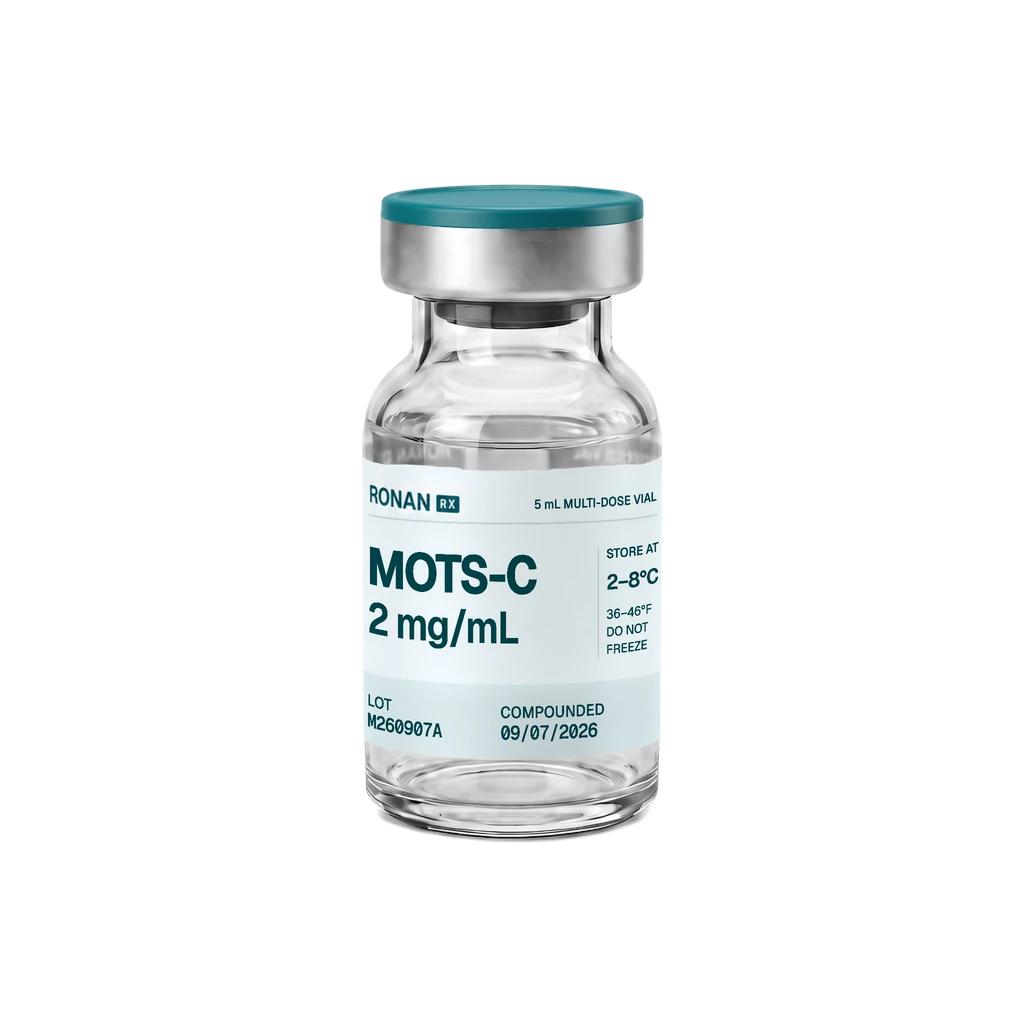

$95per month

$111per month

$195per month
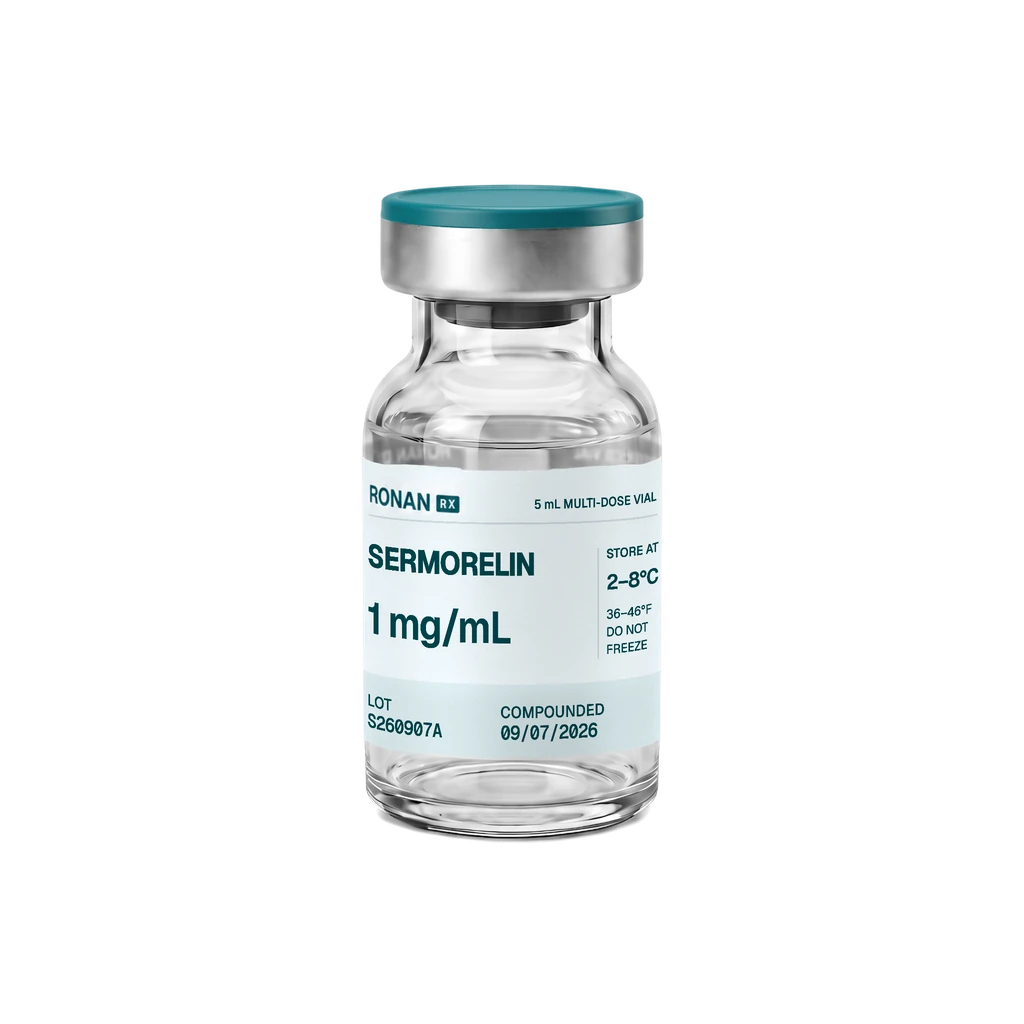
$159per month
Beginning of medications.
You work with a licensed doctor to set a protocol for your goals and your body. Nothing gets added unless it fits.


Entrepreneur. Father of four.
Working mom. Mother of two.
Started with a GLP-1 and NAD. The doctor added enclomiphene after reviewing the plan.
A prescription option in your doctor-reviewed plan, with clear instructions and follow-up by text.
An option to discuss with your doctor, who reviews your health history and current medicines first.
Added after your doctor reviews your plan. Your prescription comes with instructions and follow-up by text.
Started with a GLP-1. The doctor added NAD after reviewing the plan.
A prescription option in your doctor-reviewed plan, with clear instructions and follow-up by text.
An option to discuss with your doctor, who reviews your health history and current medicines first.
Compounded medications are not FDA-approved.
HOW IT WORKS
A doctor reviews every plan. No charge to find out if it's right for you.
Start with a text and a short medical form. Tell us about your goals, health history, and what you're already taking. New to GLP-1s or transferring from another provider? You can start here.

A licensed doctor reviews your medical history and works with you on a plan. Meet by video, or choose an async appointment: answer the doctor's questions online, without scheduling a live call.

Your prescription goes directly to our facility, where we produce your medication to your doctor’s exact specifications. Each order is made for an individual patient, not mass-produced in a standard dose vial.

A licensed pharmacist reviews your prescription, medical history, and the medication produced for you, then performs the final dispensing check and prepares it for shipment.

After the final dispensing check, our pharmacy ships your medication directly to you. Delivery is free and discreet, with cold-chain packaging and two-day shipping. We'll text you when it's on the way.

Keep the conversation going after your first delivery. Check in with your doctor, ask questions, and track your progress over time. Your doctor reviews your plan and any changes before your next refill.
Care without insurance
Self-pay care means no insurance approval process. You can start a review even if you're below the usual BMI range.
Your doctor considers your health history, current treatment, and goals together. Whether you're starting a GLP-1 or transferring care, tell us what you're working toward.
Start your planYour prescription goes directly to our facility, where we produce your medication to your doctor’s exact specifications.


Made for an individual.
Reviewed by a pharmacist.
IT STARTS WITH A CONVERSATION
Text a physician. No charge to find out if it's right for you.